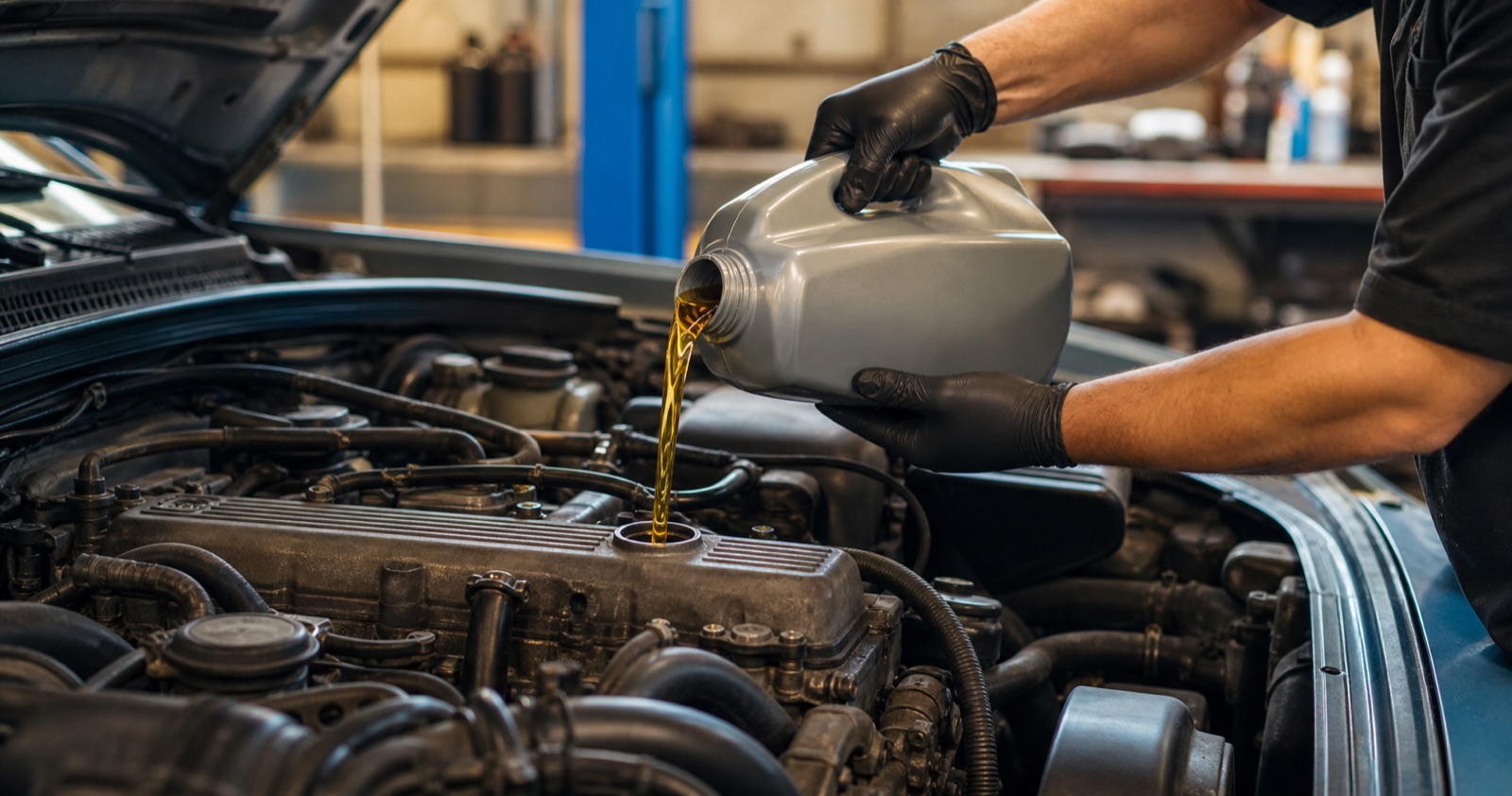
Reaching 75,000 miles does not mean an engine is worn out. Many properly maintained vehicles travel well beyond 150,000 miles. High-mileage oil is one tool that may support an older engine as seals, deposits, and oil consumption change over time.
What makes high-mileage oil different?
High-mileage formulations generally include additive packages intended for aging engines. Depending on the product, these may include seal conditioners, detergents, anti-wear additives, and components designed to reduce volatility. The base oil can be conventional, synthetic blend, or full synthetic.
- Seal conditioners may help keep compatible seals pliable and reduce minor seepage.
- Detergents help control deposits and sludge when used at proper intervals.
- Anti-wear additives support heavily used engine surfaces.
- Lower volatility in some formulas may reduce oil burned between changes.
When should you consider it?
Mileage is a useful signal, not a strict deadline. Consider discussing high-mileage oil when your vehicle has passed roughly 75,000 miles and shows mild symptoms such as a small seep, gradual oil consumption, or a history of hard use. A well-sealed engine that uses no oil may continue on the manufacturer-approved oil type without trouble.
“High mileage” does not override viscosity or performance specifications. Use the grade and approvals required by the vehicle manufacturer unless a qualified professional recommends otherwise.
What high-mileage oil cannot fix
Oil is not a substitute for repair. Large puddles, a rapidly falling dipstick level, blue exhaust smoke, low oil pressure, overheating, or new engine noise need diagnosis. A thicker product chosen without guidance can also interfere with lubrication in engines designed for a lower viscosity.
Full synthetic or high-mileage?
The two categories overlap. Full-synthetic high-mileage oils offer both synthetic base-oil performance and additives for older engines. The right choice depends on the vehicle specification, prior maintenance, driving pattern, and budget—not simply the odometer.
New Orleans conditions for older vehicles
Long summer heat, stop-and-go traffic, short trips, and occasional heavy rain can expose weak batteries, hoses, seals, and tires. For an older vehicle, pair oil service with routine level checks, tire pressure, battery condition, and visual hose inspections.
Get the correct oil, not just the popular oil
Bring the year, make, model, mileage, and any oil-consumption concerns when you visit. At Read Oil Change & Tires on Read Boulevard, we can help match routine oil service to the vehicle’s requirements. No appointment is needed.